Location - Chesapeake
Managed IT Services & IT Support in Chesapeake, VA
Chesapeake companies grow through motion: dispatch, warehouses, field crews, job sites, and back-office systems that have to talk. Managed IT services Chesapeake businesses need should keep those systems visible before another manual workaround becomes normal.
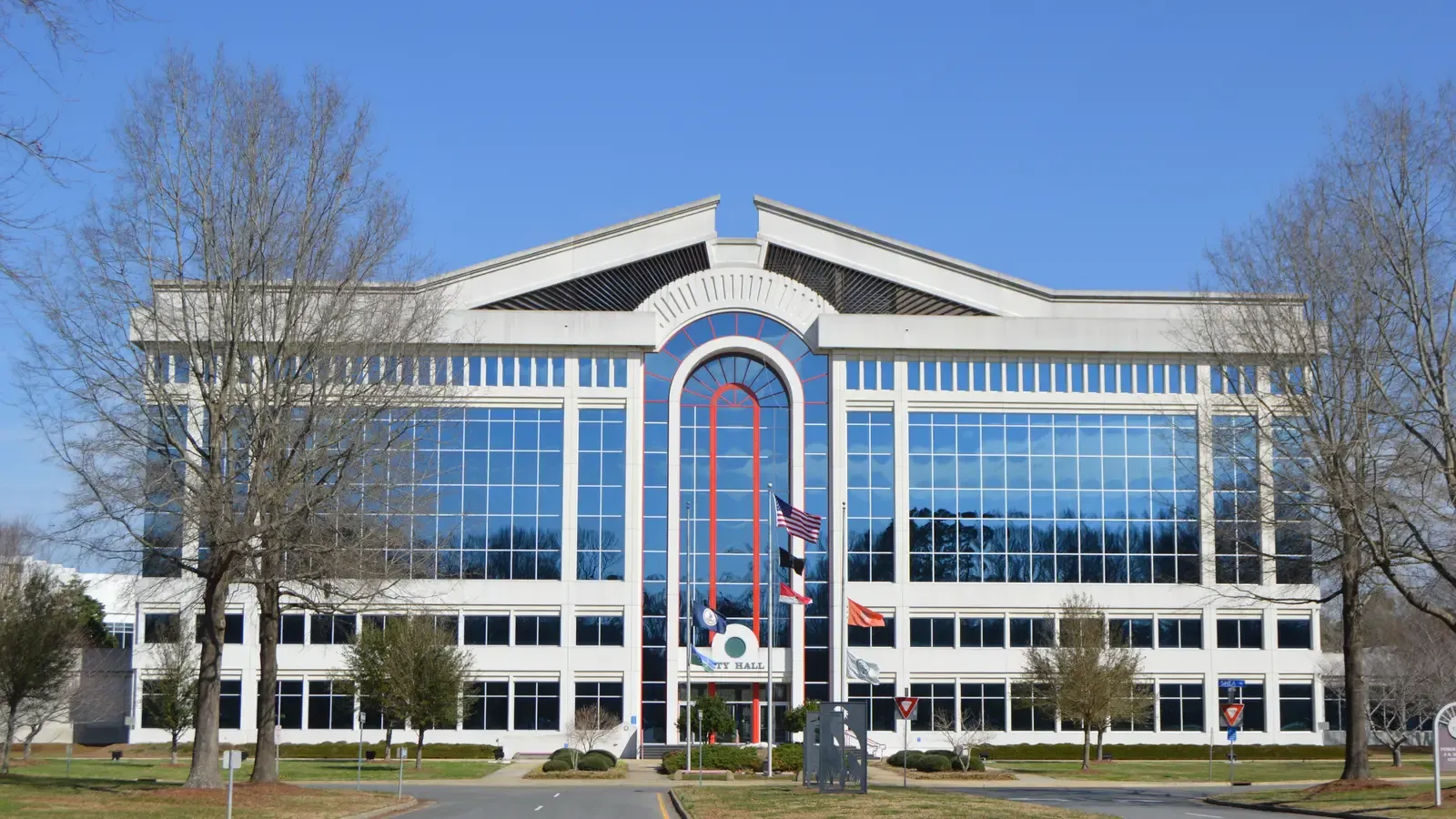
Helix Stax serves Chesapeake from our Hampton Roads base using the real Portsmouth NAP. Chesapeake is a service area, not a fake satellite office.
What managed IT services do Chesapeake businesses need?
Managed IT services Chesapeake businesses need often start with practical problems: field laptops, Microsoft 365, backups, dispatch tools, accounting access, and a vendor list nobody has reviewed in 12 months.
We explain what we find in plain English.
Does Helix Stax have a Chesapeake office?
Helix Stax is based in Portsmouth, VA and serves Chesapeake inside our Hampton Roads coverage. Reach us at (804) 452-7829 or [email protected].
That service-area framing fits the work: local meetings when useful, remote work when faster, and one accountable plan across support, security, vendors, and automation.
What IT challenges do Chesapeake logistics and trades businesses face?
Logistics and distribution teams care about dispatch, warehouse systems, customer updates, and devices that survive a busy day. Trades and home-service companies care about field apps, scheduling, accounting handoffs, and quick support.
Light manufacturing and fast-growing SMBs bring the same root issue: the company outgrew the original tool stack, but nobody paused to rebuild the IT plan.
Why do Chesapeake businesses choose Helix Stax?
We are an IT consulting firm that can manage the bigger picture. If the right answer is a traditional managed service provider, we will help scope that. If the answer is cybersecurity, workflow automation, or vCIO, we will say that too.
No mystery roadmap. Just plain English and the next 90 days.
What does a free IT assessment include for Chesapeake companies?
In the free assessment, we ask about support pain, field work, vendor ownership, security basics, Microsoft 365, backup proof, and the systems your team touches every day.
We explain what we find in plain English, with no obligation to hire us. Within a week, we send a written CTGA score and a prioritized roadmap.
What Hampton Roads cities near Chesapeake does Helix Stax serve?
Chesapeake is covered alongside Virginia Beach, Norfolk, Portsmouth, Suffolk, Hampton, and Newport News.
Services Chesapeake operators pull on most
Which IT services do Chesapeake businesses use most?
- Managed IT Services
Managed IT services for Chesapeake companies that need help desk, Microsoft 365, cloud, network, endpoint, backup, and vendor oversight.
- Cybersecurity & Compliance
Cybersecurity and compliance support for MFA, endpoint posture, backup evidence, cyber-insurance, HIPAA, CMMC, and NIST 800-171 when those standards apply.
- IT Projects & Automation
IT projects and automation for dispatch, CRM, accounting, reporting, onboarding, and systems that should not require copy-paste.
- IT Strategy & vCIO
IT Strategy & vCIO for Chesapeake leadership teams that need a 12-month roadmap, vendor oversight, and quarterly CTGA scoring.
Industries we serve in Chesapeake
Which industries does Helix Stax serve in Chesapeake?
- Distribution
Logistics and distribution operators need connected warehouse, dispatch, accounting, and customer-update systems.
- Service Businesses
Trades and home-service teams need field tools, scheduling, accounting handoffs, and support that fits how crews actually work.
- Manufacturing
Light manufacturers need uptime, access control, backup proof, and documented systems as the company grows.
Frequently asked questions about Helix Stax managed IT services
Yes. Helix Stax provides managed IT services and IT support for Chesapeake businesses as part of our Hampton Roads service area. Our real office is in Portsmouth.
Most start with the CTGA assessment, then move into managed IT services, cybersecurity, IT projects and automation, or IT Strategy & vCIO depending on what we find.
Yes. We help assess field apps, device support, Microsoft 365, backups, access control, vendor ownership, and workflows between dispatch, accounting, and operations.
Yes. We serve Chesapeake, Virginia Beach, Suffolk, Norfolk, Portsmouth, Hampton, and Newport News.
Cybersecurity is part of the Controls pillar. We score MFA, endpoint posture, backup proof, email security, vendor access, and any compliance pressure the business carries.
Where we work from
Helix Stax HQ, serving Chesapeake
Portsmouth, VA · Serving Hampton Roads · (804) 452-7829
Hampton Roads coverage
What other Hampton Roads cities does Helix Stax serve?
Read next
More on IT support in Chesapeake
- IT Support for Accounting Firms and the FTC Safeguards Rule
What the FTC Safeguards Rule asks of tax and accounting firms, which parts are IT work, and what to ask an IT provider. A plain guide for Hampton Roads.
- IT Disaster Recovery Plan Template (With RTO/RPO and Site Comparison)
A free IT disaster recovery plan template covering RTO, RPO, hot vs. warm vs. cold site recovery, testing cadence, and how it maps to NIST SP 800-34. Copy it and fill in your own numbers.
- AI Acceptable Use Policy: A Free Template Small Businesses Can Actually Use
A ready-to-use AI acceptable use policy template for small businesses, plus what belongs in it, the data-leakage risks that make one necessary, and how it lines up with the NIST AI Risk Management Framework.
Recognized by Clutch
Clutch named Helix Stax a Top Company for 2026 across five categories, from managed IT to AI consulting. The ratings come from verified client interviews, not self-reported reviews.





Book a free IT assessment for a Chesapeake business
Free, local to Hampton Roads. A 30-minute call about where your systems cost you time or money, followed within a week by a written CTGA score and a prioritized roadmap. No obligation to hire us.
Free · No obligation · We explain what we find in plain English